Where strong yarn earns its keep.
Typical uses of high tenacity polyester filament yarn across industry. Representative imagery, not JS Textiles customers or projects.


Webbing and straps
Narrow fabrics such as lifting slings, tie-down straps, safety harness webbing and luggage straps commonly use high tenacity polyester in the warp and weft for strength with low stretch.
What to specify
- Denier and ply for the target breaking strength
- Twist for abrasion at buckles and edges
- Lustre and colour requirements


Rope and cordage
Braided and twisted ropes, cords and lines are often built from heavy-denier polyester filament for strength, weather resistance and handling.
What to specify
- Construction: braided, twisted or core and cover
- Yarn denier per strand
- Volume per production run
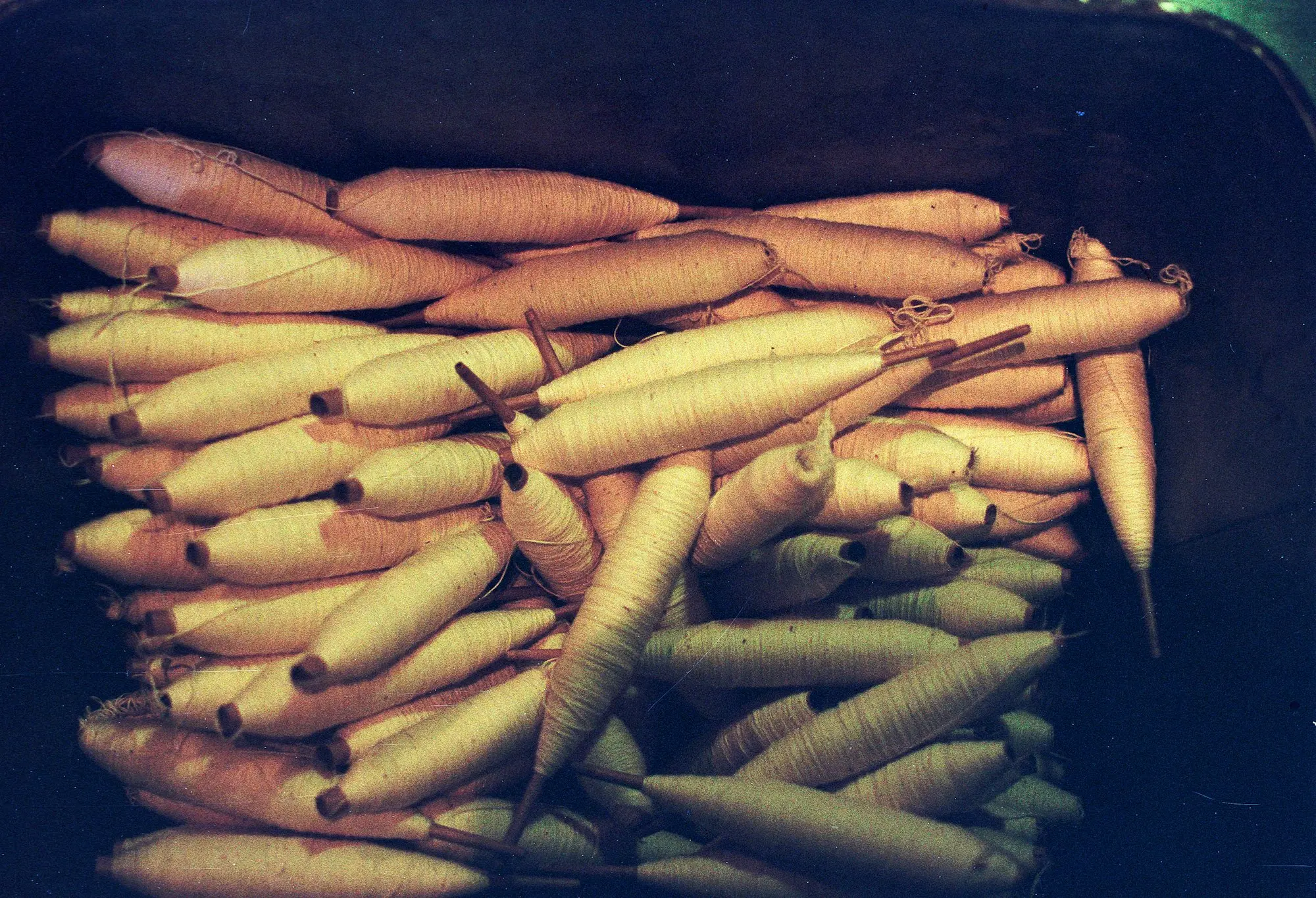

Industrial sewing thread
Heavy-duty threads for outdoor gear, upholstery, bags and safety equipment are commonly made from twisted and plied high tenacity polyester.
What to specify
- Ply and twist balance
- Finished thread size required
- Whether the yarn is twisted further in house
Hose and belt reinforcement
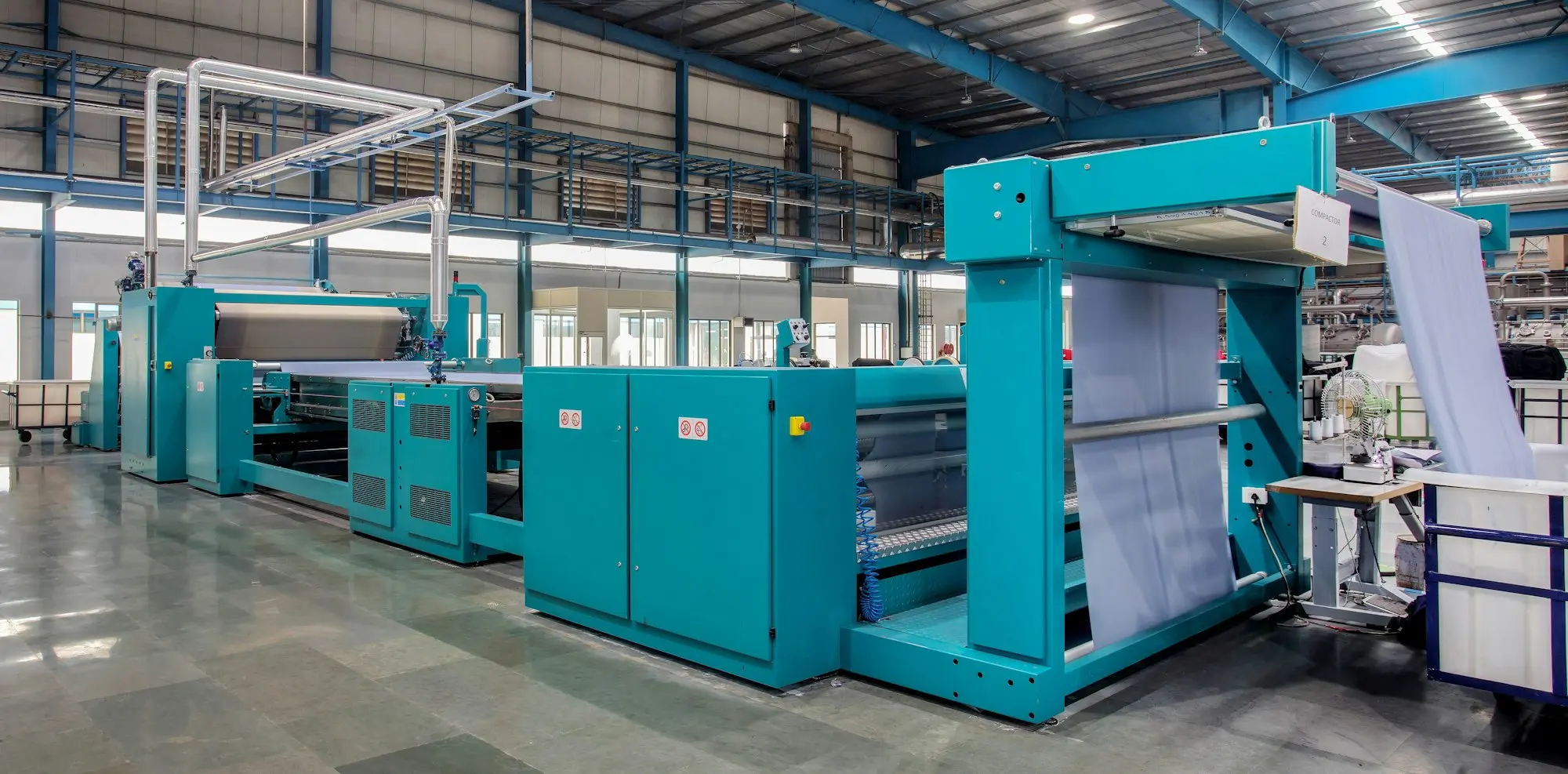
Polyester filament yarn is widely used as a reinforcing layer in hoses, conveyor belts and other rubber or plastic products.
What to specify
- Denier and twist for the reinforcement design
- Adhesion or finish needs (to confirm)
- Package size for your creel


Coated and technical fabrics
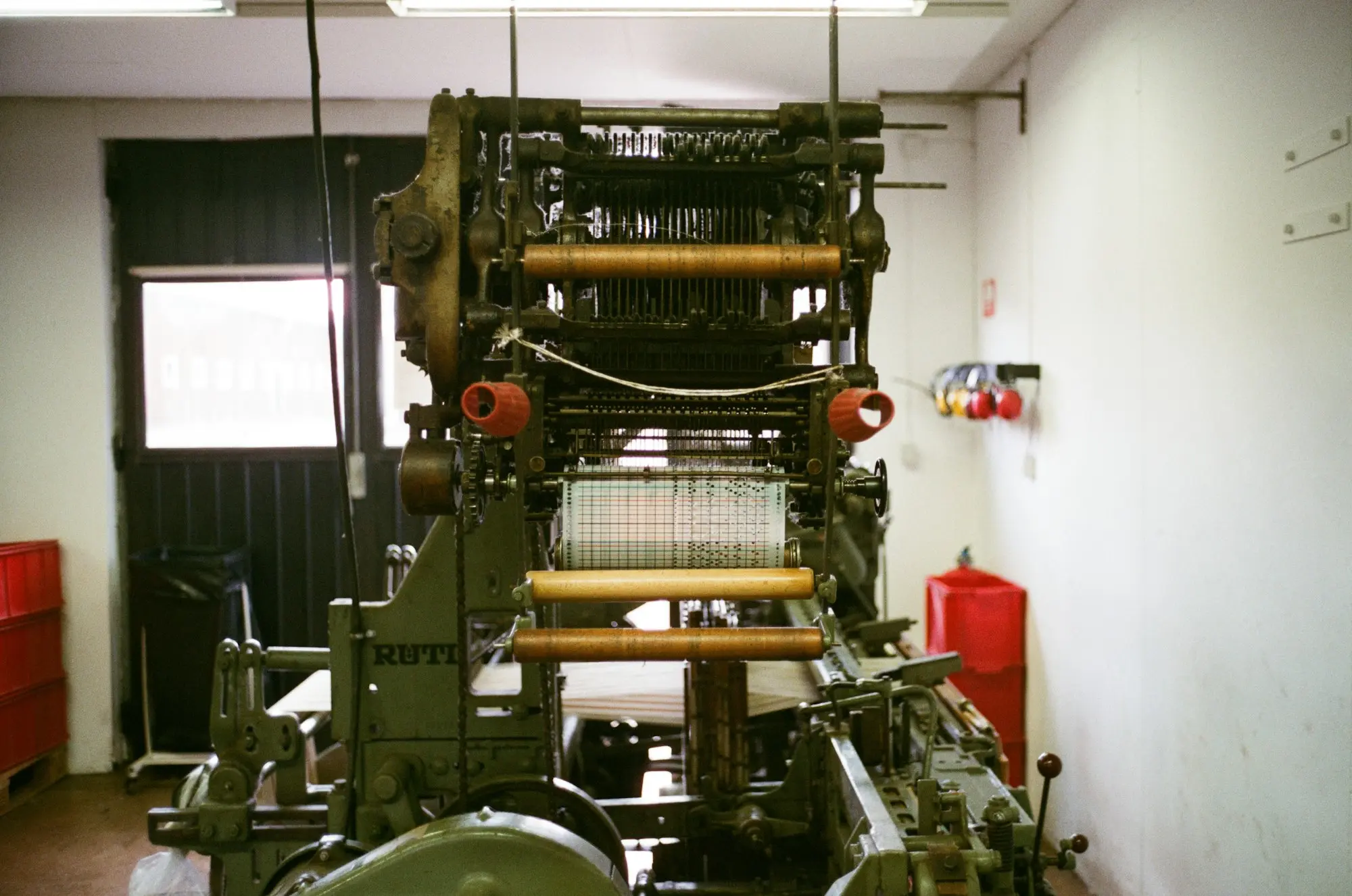
Base fabrics for tarpaulins, covers, banners and other coated textiles are commonly woven from flat high tenacity polyester.
What to specify
- Flat or low-twist yarn
- Denier for the fabric weight
- Warp and weft quantities


Nets and cargo restraint
Netting, cargo nets and restraint products rely on strong synthetic yarns that hold up outdoors and under repeated load.
What to specify
- Strength and elongation targets
- Twisted or braided twine construction
- UV and outdoor exposure (ask about options)
Applications describe common industry uses of this yarn type. Ask Joe which constructions suit your product.
Not sure what you need? Send the product, not the spec.